
As cyber threats continue to escalate globally, cybersecurity is rapidly becoming one of the most strategic areas of investment for multinational corporations. According to a recent PwC report, Tracing the rise of GCCs in India as cybersecurity powerhouses, the global cost of cybercrime is projected to rise from USD 9.22 trillion in 2024 to USD 13.82 trillion by 2028, underscoring the growing need for organizations to strengthen resilience, accelerate innovation, and build security capabilities at scale.
India has emerged as a critical hub in this transformation. It has become a preferred destination for cybersecurity talent, with many global organizations housing a significant portion of their cybersecurity workforce in the country through their GCCs and CoEs.
N-able, Inc., a global cybersecurity company delivering business resilience, recently set up its Bengaluru Global Capability Center (GCC), which is expected to scale to 150+ employees by the end of 2026 across functions like AI, cybersecurity, cloud engineering and product development.
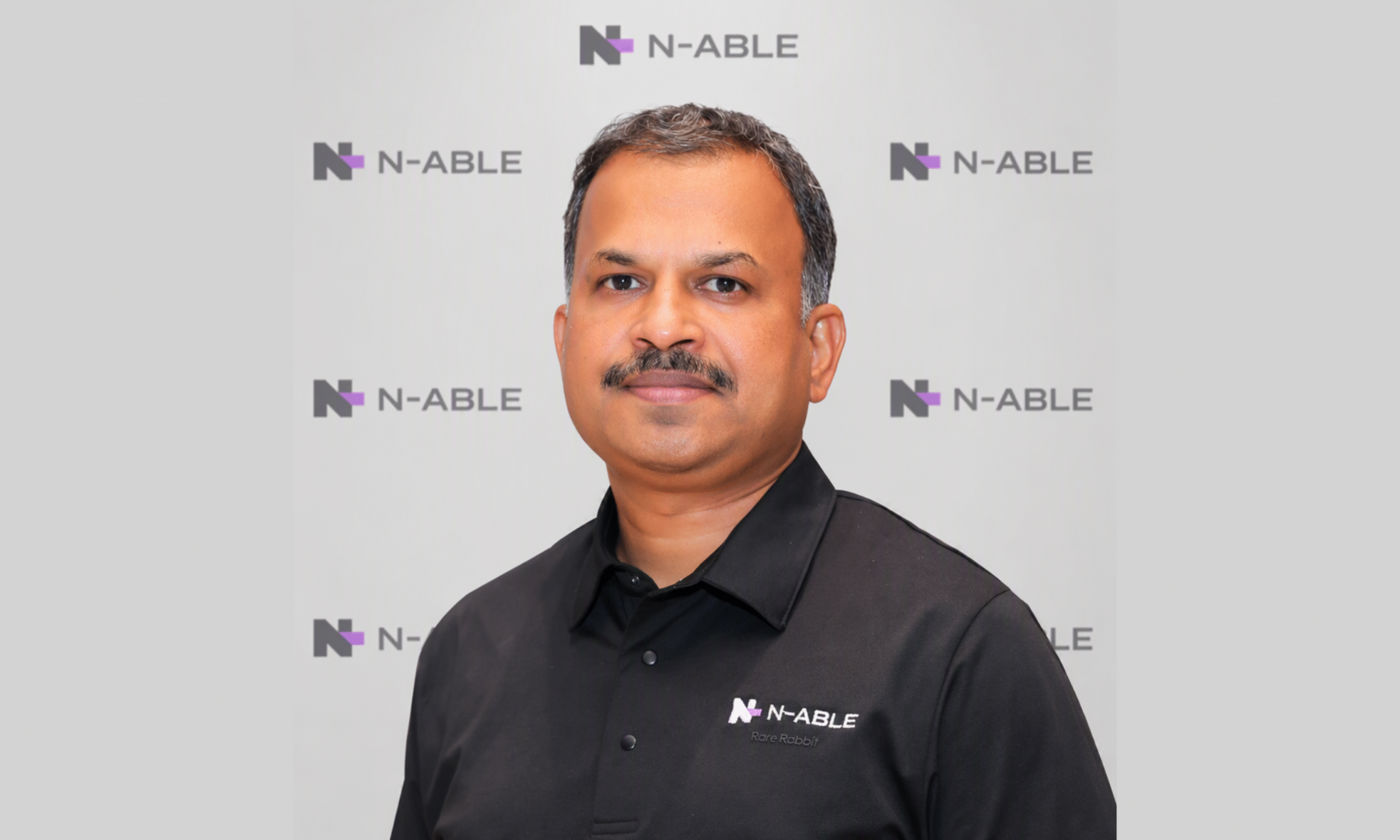
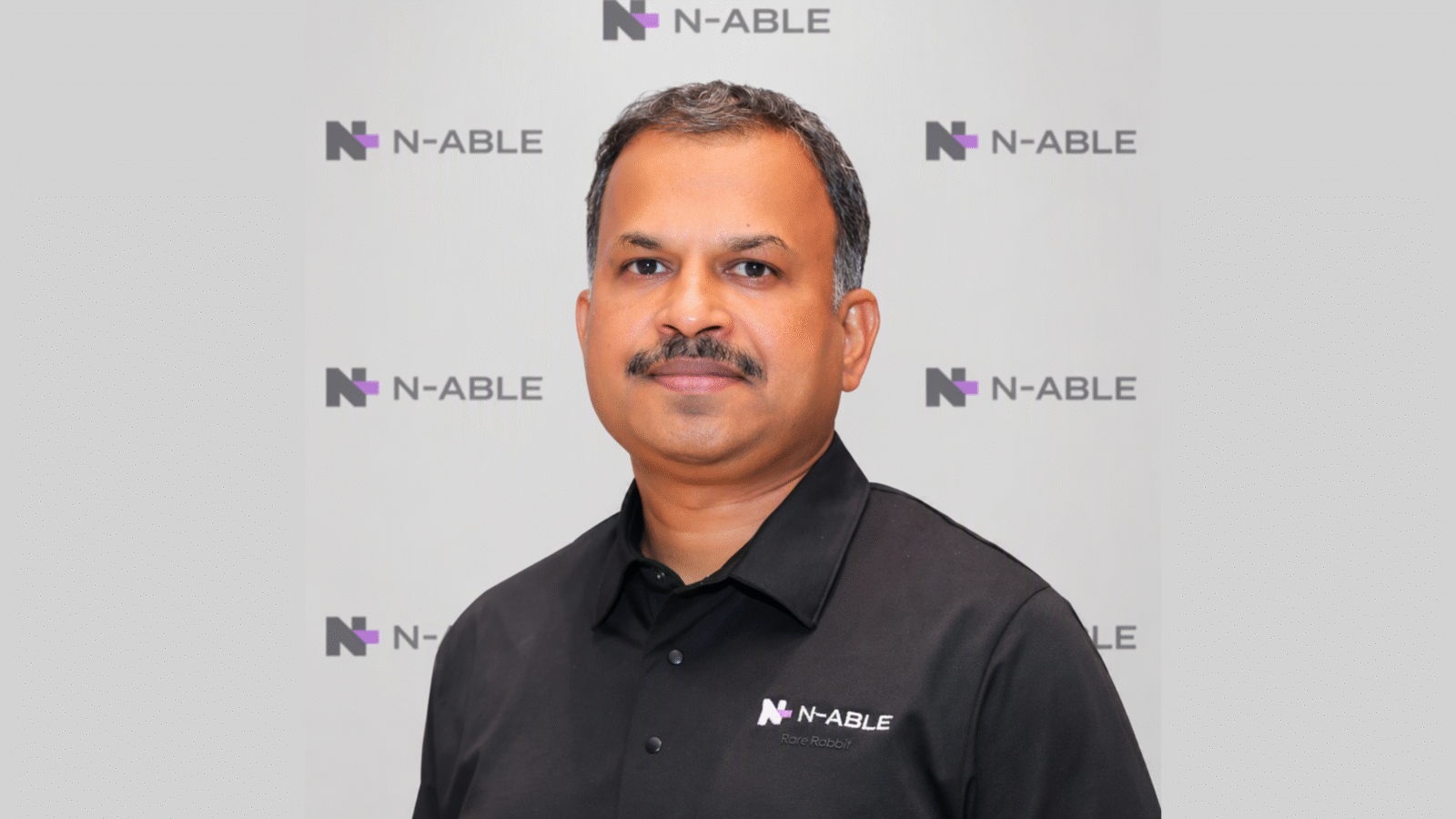
We spoke with Kiran Rooge, India Site Lead & Head of Engineering, N-able. In this exclusive ‘Leaders Hub’ conversation, Kiran shares how N-able India was intentionally designed as a product and innovation hub from day one, why engineering ownership is central to its culture, and how Bengaluru is contributing to the company’s global cybersecurity roadmap.
When you started building N-able India, what were the first capabilities you prioritized as a cybersecurity GCC, and what was the thinking behind those choices?
Kiran: We’re focused on engineering, product development, product architecture, user experience, security operations, cloud engineering and AI-related skills because those are the capabilities that connect directly to the needs of our global partners and customers.
The thinking was straightforward: if Bengaluru was going to be meaningful to N-able’s future, the team needed to be close to the work that shapes our products and outcomes. We wanted people here to solve real problems, helping MSPs simplify operations, strengthen resilience, respond faster to threats, and scale services more effectively.
What product innovations are being developed by N-able India that will have a global customer impact?
Kiran: The Bengaluru team is contributing to areas that sit at the heart of N-able’s global security roadmap, and the work is focused on practical innovation, capabilities that help MSPs and IT teams reduce manual effort, improve efficiency, and support stronger business resilience.
One useful way to think about it is through the day-to-day reality of an MSP. They are often managing complex customer environments with limited time and resources. Innovation has to help them prioritise faster, act with more confidence and deliver security outcomes at scale.
That is where AI-enabled workflows, automation, better operational visibility, and stronger security capabilities can have a direct impact, not just locally, but for customers worldwide.
How did you determine which products, platforms, or functions should be owned in India versus supported by teams in other geographies?
Kiran: We looked at where the Bengaluru team could create the strongest value within N-able’s global product and engineering model. The question was not simply, “What work can be moved here?” It was, “Where can this team build deep expertise and take meaningful ownership?”
That meant aligning local talent with global priorities. Bengaluru is part of an integrated global innovation footprint, so teams here work closely with colleagues across product, engineering, security and leadership to deliver outcomes that support the wider business.
Was it a deliberate decision to build N-able India as a product and innovation hub from day one? If so, what specific steps did you take to avoid the traditional support-centre model?
Kiran: From the beginning, our intention was to build a product and innovation hub with an AI-first mindset, not a traditional support centre. That distinction matters. We wanted Bengaluru teams to be connected to product priorities, engineering decisions, and business outcomes from day one.
That influenced how we structured teams and how we integrated them into global planning. We prioritised senior technical leadership, cross-functional collaboration, and ownership of meaningful engineering work, while ensuring the centre included functions such as product management, architecture, UX, engineering, and security operations under one roof. That mix is important because innovation rarely happens in isolation; it happens when teams understand the user problem, the technical challenge, and the business objective together.
What does “engineering ownership” mean at N-able India, and how do Bengaluru teams influence the global product roadmap and business outcomes?
Kiran: For us, engineering ownership means being accountable for outcomes, not just tasks. It means teams in Bengaluru do not simply execute predefined work; they help shape how problems are solved, how solutions are built, and how those solutions support partners and customers in the real world.
That ownership can show up in many ways: influencing architecture decisions, improving operational efficiency, developing capabilities that help MSPs respond faster, or bringing local technical insight into global product discussions. Bengaluru teams are close to a deep talent ecosystem and a fast-growing cybersecurity market, so they bring an important perspective to the roadmap.
The impact is global because the products and capabilities developed here are designed for MSPs and IT teams around the world. In that sense, Bengaluru is not just supporting N-able’s growth; it is helping shape it.
Want to be featured in our next Leaders Hub Spotlight? If you’re leading innovation from a GCC or have a story that’s shaping the future of global capability centres, we’d love to hear from you.